
My Stereo/Audio Systems Over The Years
Listening and recording equipment - projects and purchases
Since the age of ten I have been 'into' audio equipment in a big way. My mind has always been good with numbers and audio equipment specs were things that I quickly gravitated to. By grade 5 or 6 I could recite all of the key specs for the best speakers, amplifiers, turntables/cartridges, tuners, and cassette decks and I started to plot a strategy to build and buy the necessary components to be a full-on fanatic. Having perfect pitch, loving all forms of music, playing the piano and french horn, and also having the mind of an engineer pulled me into the hobby ...
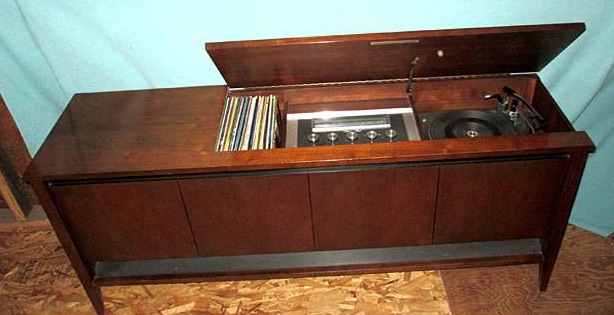
Our family started out with a 1957 edition of a Philips monophonic tube based AM radio and record player that my mom and dad bought the year they moved from Montreal to Vancouver after they were married. That is the system we listened to the first Beatles 45rpm singles on, as well as Dad's old 78rpm records. In the late 1960s our parents brought home an Electrohome transistor based stereo system (one of those huge pieces of furniture with the sliding doors to hide the speakers when it wasn't being used) for the upstairs living room and the old Philips system was then moved into the basement 'rec room' - the room the Spratt family kids were rapidly taking over as our own. Check out this web site that covers the history of Electrohome: here
An Electrohome stereo system, circa 1965 (similar to my parents unit):
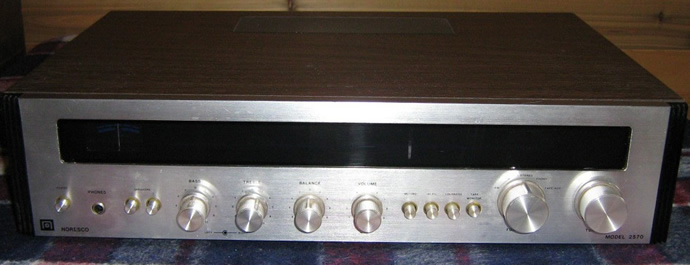
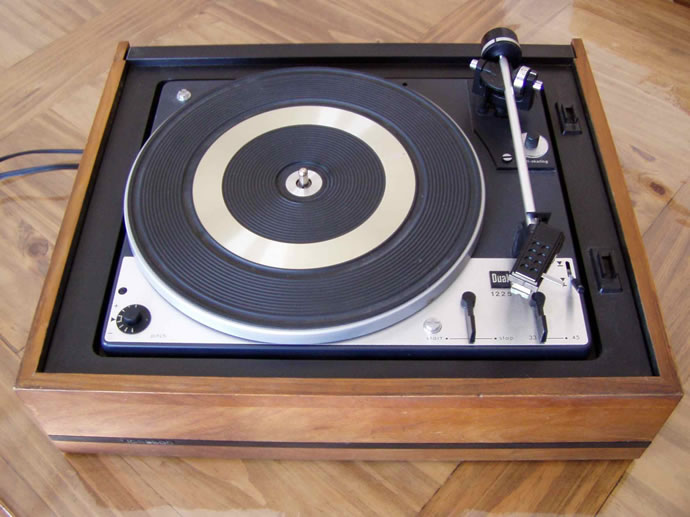
In 1973, my mom and dad bought us a real stereo system for the rec room - a department store Noresco receiver (15WPC, 'Noresco' was the Canadian brand name for Rotel products), a Dual 1225 turntable with a Shure V15 stylus, and a pair of no-name speakers with 6" full range drivers. That is the system we listened to our own teenager LPs on, including my first Elton John album - Don't Shoot Me, I'm Only The Piano Player and other albums like Pink Floyd Dark Side of the Moon. The sound was OK, but certainly not great (the speakers were the biggest problem). But when paired this system with our 2'x4' color organ box and some additional colored flood lights hidden in the corners of our rec-room it still made for a neat listening experience when the overhead lights were turned off ...
This is a very similar unit to the Noresco 15 + 15W receiver we had:
Our Dual 1225 turntable with Shure V15II cartridge:
I was interested in live sound recording back then and really wanted a professional grade portable cassette recorder. The Marantz/Superscope company had started making nice recorders in 1972-73 with the C-101/102/103 models and the classic Superscope C-105 3 head model in 1974 which I used my paper route money to purchase (my very first audio equipment acquisition) along with the matching Superscope condenser mic. It was a beautiful, rugged unit and made possible my first music recordings of my bands in high school (I was just in grade 8 at that time):
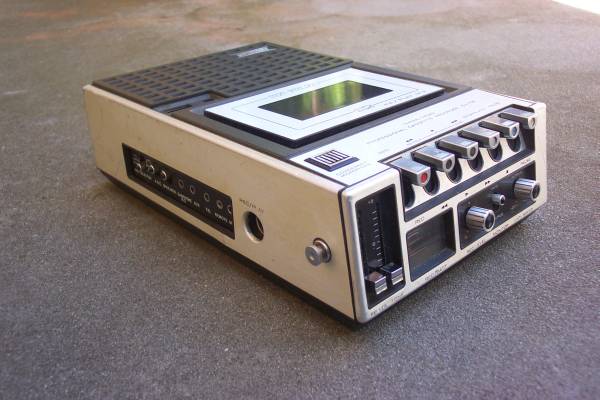
I recently re-purchased a clean copy of this Superscope C-105 and the matching condenser mic
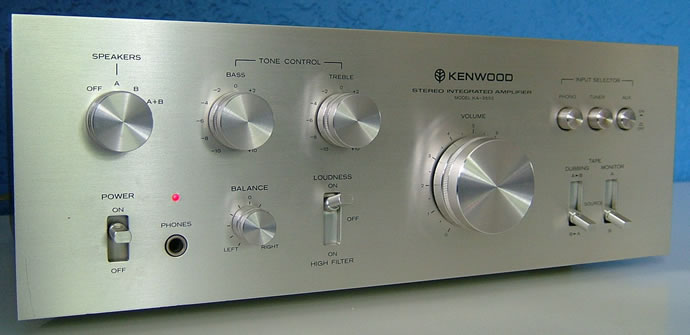
We continued to lobby our parents for an improved stereo, especially improved speakers, and somehow managed to get mom & dad to purchase a pair of Acoustic Research AR-7 speakers and a Kenwood KA-3500 integrated amplifier for us in 1975 when I was in grade 9 (my older brother Douglas still has those components in his home 40 years later). From that point onwards I personally took over the task of further upgrading the stereo system to my own ever higher standards ...
Our Kenwood KA-3500 40 + 40W RMS integrated amp:
Acoustic Research invented the 'infinite baffle' speaker design in the mid 1950s and the AR-7s were considered to be highly accurate/musical compact speakers for their day (early-mid 1970s):
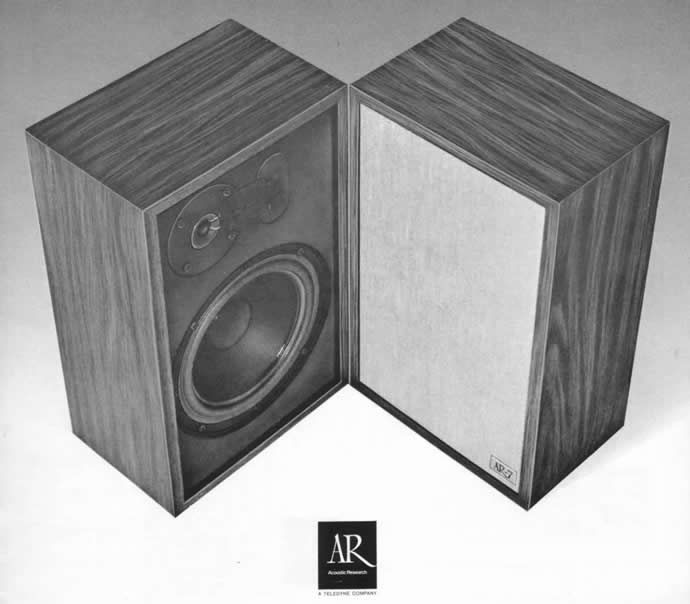
Click here for the full Acoustic Research AR-7 Speaker brochure from 1975
Click here for the Wikipedia article on the history of Acoustic Research
In 1976 I upgraded my portable recording capabilities from the nice, but mono, Superscope C-105 to the stereo Superscope CS-200S:
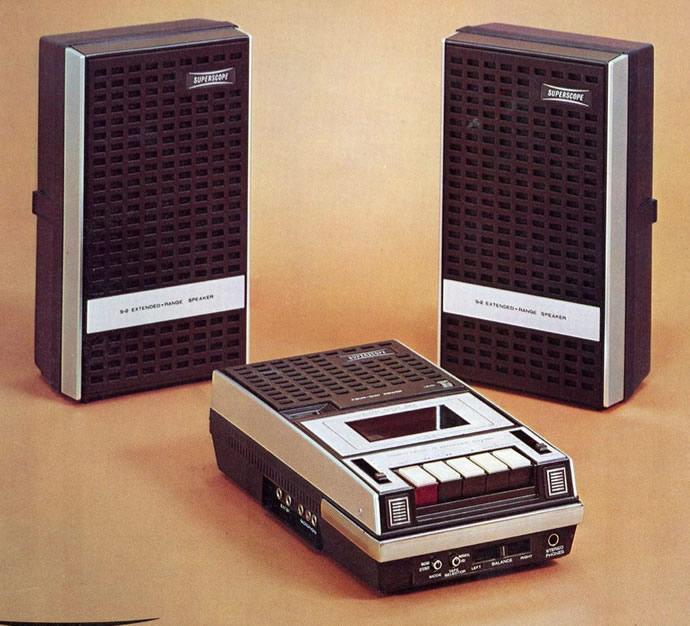
Click here for the Superscope CS-200S brochure from 1976 (I will post the service manual soon. I am also looking to acquire a clean copy of this product ...)
I saw my first Altec Lansing 'Voice of the Theatre' speakers in an auditorium at the Banff School of Music in 1973. I had already become a keen stereo buff and knew that Altec Lansing made the most popular recording studio monitors in the world at that time: the 604s, and the A7s were also regarded as top flight speakers for larger venues. I sent away to Altec to get their speaker catalog and spent a lot of time dreaming of building my own Altec Lansing monitors for myself.
This is the Altec Lansing speaker design manual that got me motivated to build a set of studio monitors (I was originally thinking of building a set of speakers that used the Altec Lansing 'Voice of the Theatre' components, and in fact the cabinets I built were sized for the same Altec 811B 18.5" wide high frequency horn and Altec 414-8A 12" low frequency driver, but in the end I found that I could not afford those components no matter how much baby sitting or paper route work that I did, and chose suitable Philips speakers which were lower cost - I flipped the lower cabinets upside-down and put the dual 2" mid-range drivers where the slot for the Altec bass driver originally had been envisioned - see below):
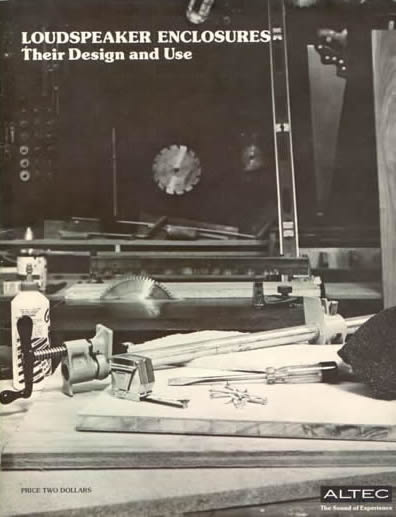
Click here to read the whole 1974 Altec 'Loudspeaker Enclosures - Their Design and Use' Catalog
Here is a grainy photo of my completed 'studio monitors' built during grade 10 & 11 at the high school woodworking shop (they weighed 130lbs each, used 2x2" maple bracing internally, and were wired for tri-amplification) - notice the posters on the wall from Chicago IV, The Beatles - Let It Be, and Pink Floyd - Dark Side of the Moon:
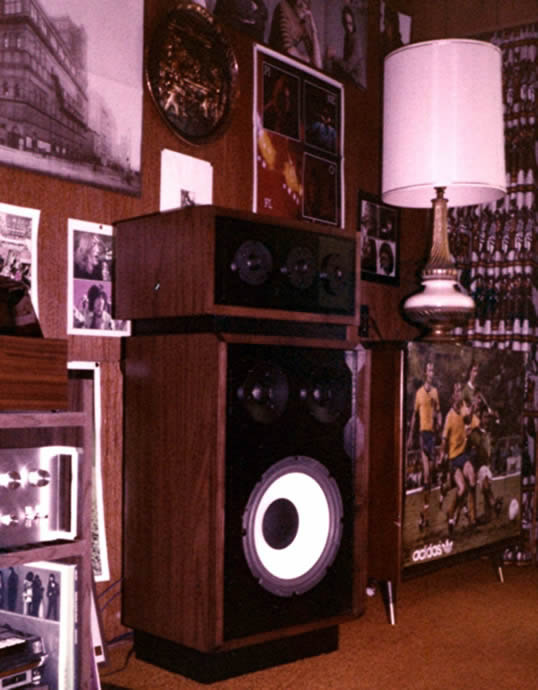
For more information on this studio monitor project click here
In 1977 I purchased my prized Kenwood KA-7300 65W + 65W amplifier with beautiful fully independent power supplies. This integrated amp was very well designed and was beefy in all respects:
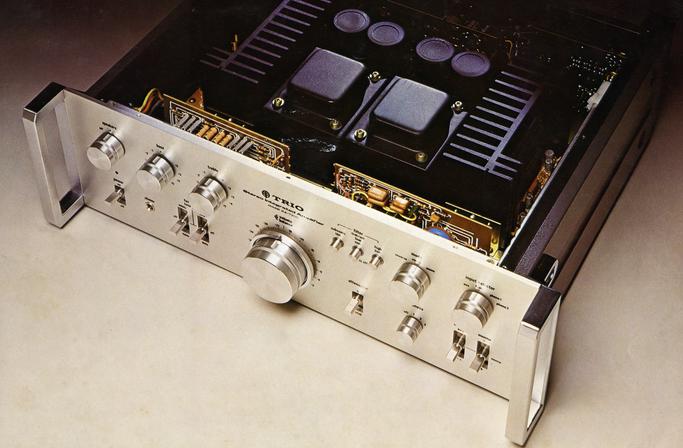
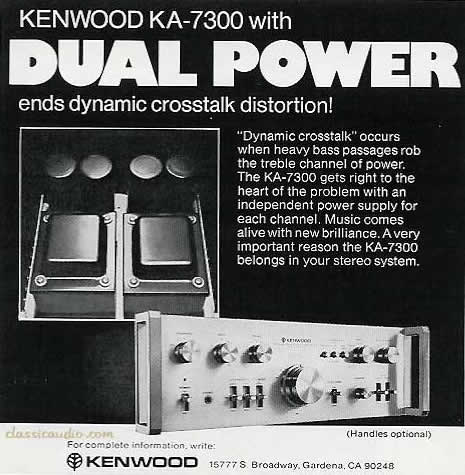
For more info on this Kenwood KA-7300 amplifier, see The vintage Knob
My matching Kenwood KT-8300 tuner that I bought in 1978:
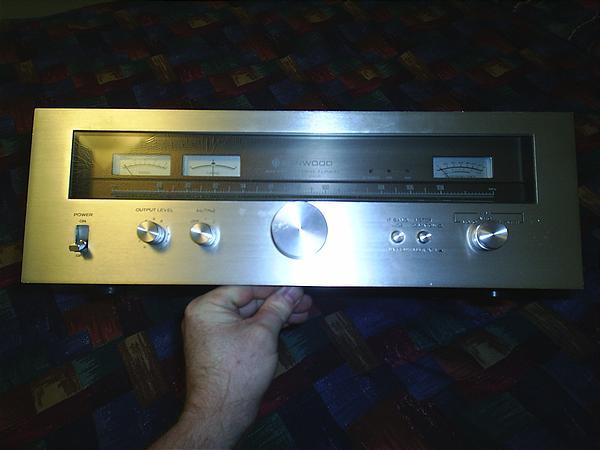
And my 'direct drive' Dual 721 turntable that I also bought in 1978:
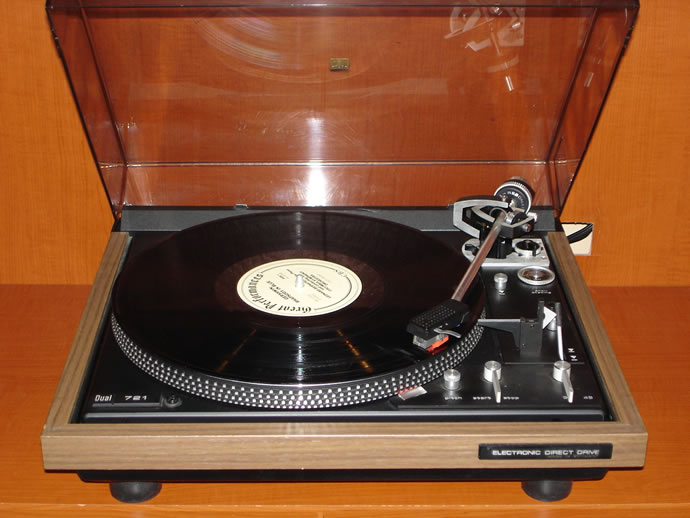
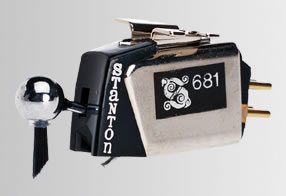
... paired to a famed Stanton 681EEE "broadcast quality" stylus (Mr. Stanton was also a good french horn player):
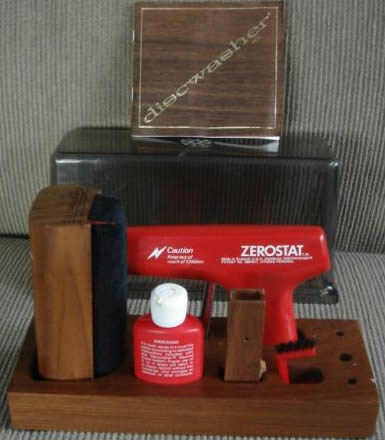
... and to keep my LPs clean and static free I used the Diskwasher/Zerostat system:
I could not bring my huge, heavy studio monitors to Queens University, 3000 miles from home in 1979, so I brought the pair of diminutive but legendary AR-7s along that our parents had purchased for us in 1975.
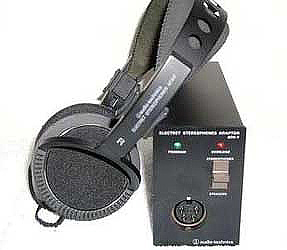
I was quite concerned that my music listening at Queens University would be compromised with the small AR-7s so I also purchased some very expensive and rare Audio Technica ATH-7 electrostatic headphones in 1979 (it is interesting to note that I was so impressed with the clarity and precision of the sound from these headphones that I have used large electrostatic speakers ever since I could afford them):
As I earned more money in the summer of 1980 while at Queens U, I bought another pair of speakers, the ADS L710s which were a lot larger than the little AR-7s, but much smaller still than my home-built speakers. I also purchased the matching steel speaker stands that lifted the speakers about 10" off the ground and tilted them back about 5 degrees. These speakers played clean and loud with substantial bass response from their dual 7" woofers and fantastic mid-range and top end from their 2" and 3/4" dome drivers. In 2021 I restored these speakers and added a DSP front-end and tri-amp setup making them equal to any modern high end mid-fiield monitors (I think they are better than my HEDD Type 20s):
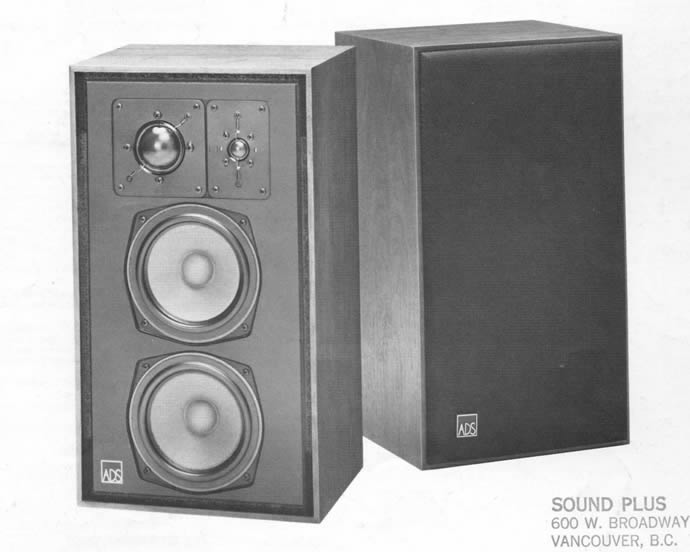
Click here for my full ADS L710 Speaker web page
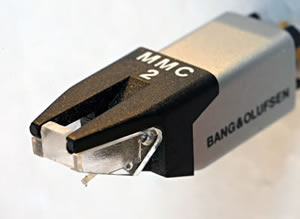
In 1980 I also purchased a beautiful Bang & Olufsen MMC phono cartridge that had a sapphire cantilever for my Dual 721 turntable. It would track beautifully at 0.8 grams and its unique tip shape reduced rumble, pops and clicks:
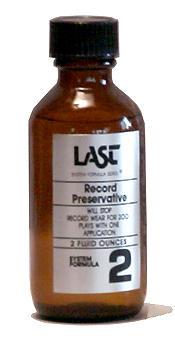
And I started to treat my LPs with the Last vinyl preservative system which further reduced pops and clicks:
In 1981 I fell in love with the sonic quality of the British NAD audio gear that was taking the audio world by storm and was sold by Sound Plus in Vancouver (the same firm that sold me the L710s). So I sold my Kenwood KA-7300 amplifier and matching KT-8300 tuner. My NAD 3140 didn't have the same specs as the KA-7300 (40 + 40W vs. 65 + 65W) but in practice this 'smaller' amp had more head-room and in fact loved low impedance loads and could put out closer to 90 + 90 W at 4 ohms which matched the ADS L710s perfectly. It also had a unique soft clipping feature that softened the otherwise harsh harmonics that came from over-driving the amp (which happened more often than I care to admit now many years later - but that was college).
NAD focused on the concept of "effective power" and its amplifiers made claims to deliver generous headroom, meaning that they were be able to deliver dynamic power bursts far in excess of their rated RMS power. The key to this feature required use of a flexible power supply which stored significant reserve current for quick release at moments of high musical load. Additional benefits of this approach include the fact that amplifiers using this technology can handle complex, real-life, lower-impedance loudspeaker loads as compared with the simple 8-ohm resistor typically used to calculate advertised power ratings and the fact that the circuitry in this approach requires less cooling, while maintaining ability to handle complex impedance loads as low as 2 ohms.
My NAD 3140 amplifier:
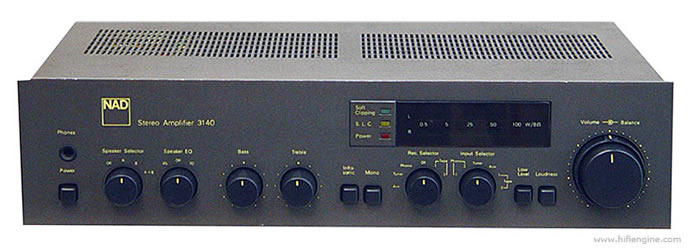
Despite the fact that the little NAD 3140 was very musical and really did drive the ADS L710s nicely, since high school days I had always wanted 200 + 200W amplifiers for my system but I didn't want to compromise on sound quality - so I bided my time until I could afford some top quality high powered amps. In 1982 I stepped up my game to that power level by selling my NAD 3140 integrated amp and buying an NAD 1020 pre amp (basically the same exact front-end circuitry as the NAD 3140 w/o the power amp stages) and pairing them with a pair of serious mono audiophile power amplifiers, the Kenwood/Trio L-07MIIs (very conservatively rated at 150W each). These were crazy high-end amps with a DC-600kHz frequency response that also came with their own high-end speaker cables - and they fit perfectly under each ADS L710 speaker between the speaker stand legs:
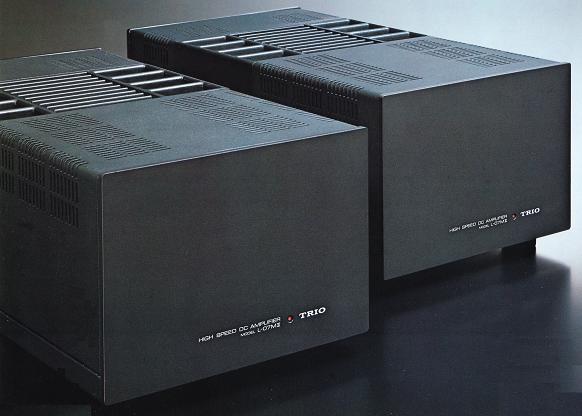
For more info on these Kenwood/Trio L-07MII amps, see The vintage Knob
Finally, in my 4th year at Queens University (1982), I purchased another more audiophile oriented turntable, a Canadian made RP-1 "Rotary Platform" with its 17lbs bronze platter and equipped it with a Grace tone-arm and my B&O MMC sapphire cantilever stylus (click here for detailed specs on that turntable) - I threw out the turntable a few years ago after I noticed that the bearings had rusted and the rubber drive pulley was shot - it hadn't been used in a decade or more and there were no replacement parts available. My son, Colin likes to collect 'vinyl LPs' so I purchased a new turntable for his use. I probably could have repaired the turntable and now regret tossing it out. I am sorry that I don't have a photo of this fine turntable.
In 1982 I also purchased a Technics M235X dBx (as well as Dolby B/C) cassette deck that not only recorded audio with a then unheard-of 92dB S/N and nearly flat 30-19Khz frequency response, but also allowed for dBx encoded LPs to be played back - again, resulting in future digital era specifications for high dynamic range material (in an analog age):
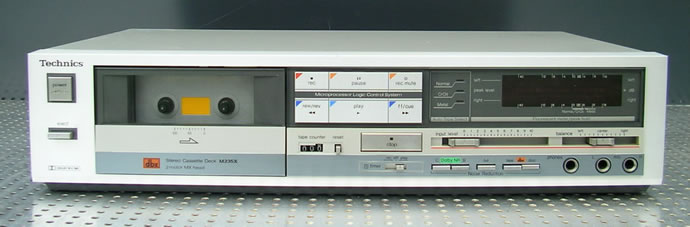
Click here to see the service manual and detailed specs for this impressive cassette deck (the pinnacle of cassette deck performance just before the age of CDs arrived). I recently re-acquired a clean copy of this unit.
I continued to use the very same system above (the NAD 1020 pre amp, Kenwood/Trio L-07MII power amps, etc.) with the addition of various CD players as well as my RP1 turntable, until 1995 when I completely replaced the whole system with one that I still listen to today. I am considering the purchase of some retro Bose 901s, and also building some Altec 604 monitors (using new Great Plains Audio drivers and an active dBx cross-over, room acoustics processor). I also have various near-field monitors and sub woofers and will set one pair of them up as well so that I can switch back and forth depending on what mood I am in (think of it as a pending retirement project of sorts now that my kids are moving out of our house and leaving us with more room again) ...
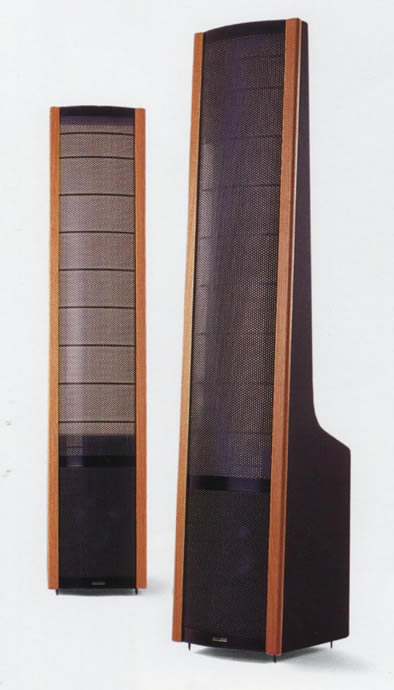
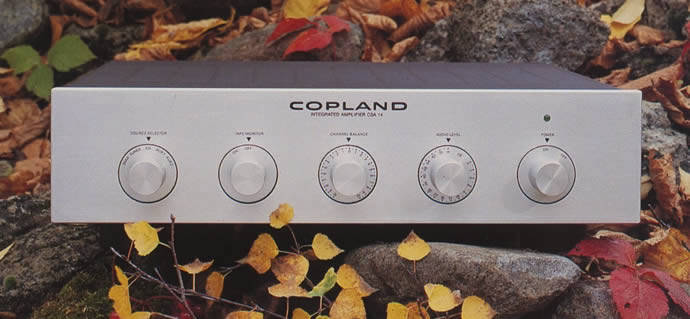
Currently (and since 1995) I use Martin Logan SL-3 electrostatic hybrid speakers and a Copland CSA-14 60W + 60W hybrid Tube/MOSFET integrated power amp for my music studio. The Copland reminds my of my old NAD 3020 with its modest power rating but a really substantial ability to drive complex low impedance loads - and also sound very musical while doing it.
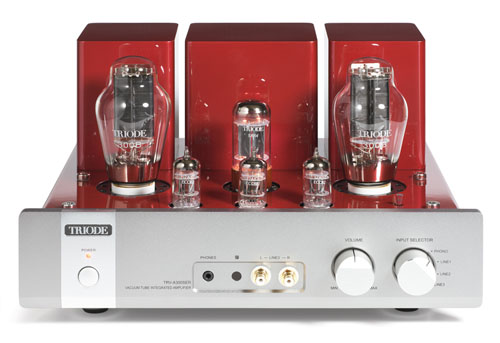
I also have a Triode Corp TRV-A300SER 8W+8W class A open triode 300B based tube integrated amp driving a set of Altec 604-8H-III (GPA) ultra-high efficiency studio monitors in 9cu.ft cabinets.
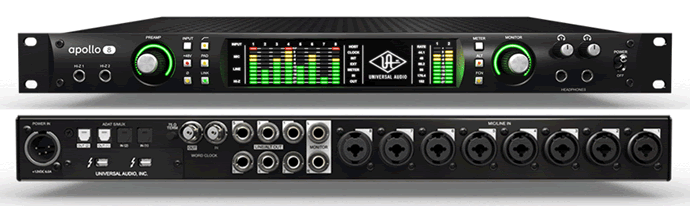
I use Dirac audio processing software on my Mac which corrects for room and speaker/cabinet/placement acoustic issues (time and frequency domain corrections) and play back uncompressed audio, either in 44.1/16bit CD format for digitally sourced material, or 88.2/24bit format for all vinyl LPs that have been digitized via my Universal Audio A/D D/A interface.
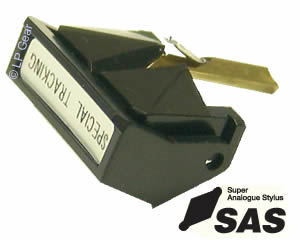
I use a Dual 721 turntable with a JICO Super Analogue Stylus (SAS). SAS stylus tips are produced using a natural octahedral single-crystal diamond. The cantilever is made of special aluminum alloy tube and boron and the magnets are made of rare earth metals.
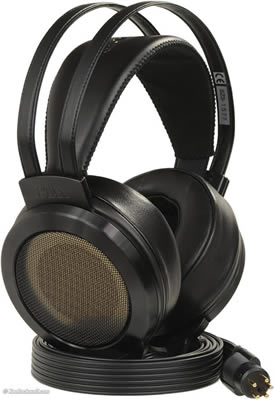
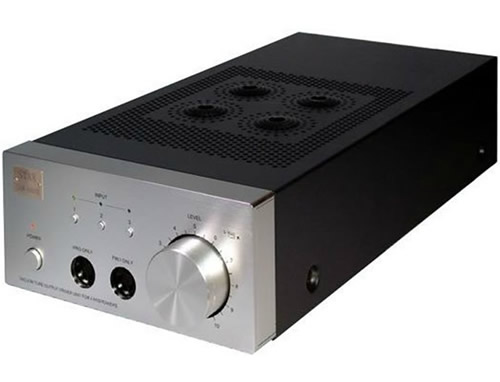
My headphones are STAX SR-007 Mk2 with their SRM-007tii tube amp:
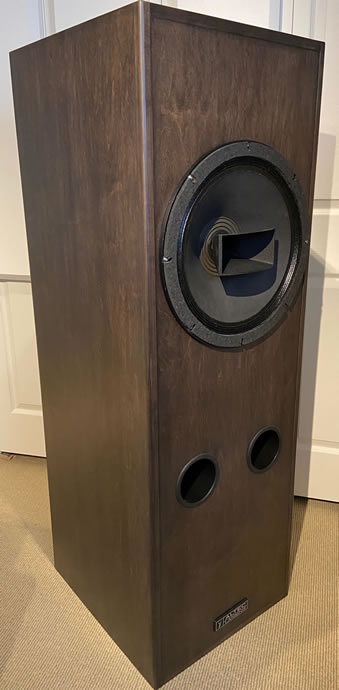
My Altec Lansing 604-8H-III Studio Monitors - click here for details on this project
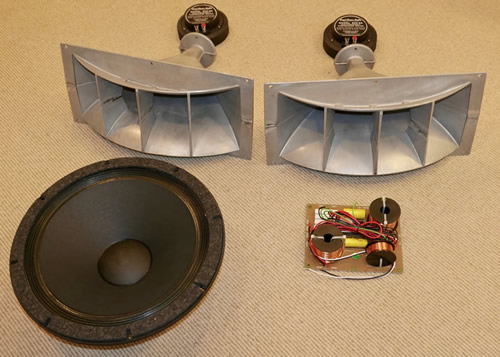
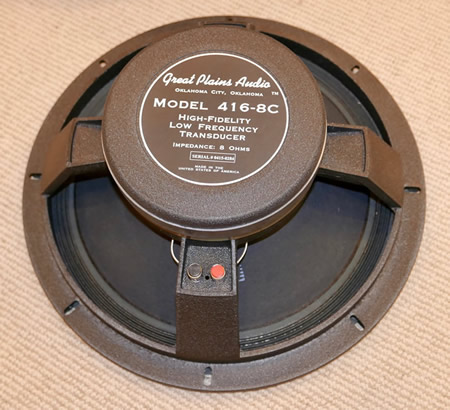
A childhood dream of mine was to build Altec VOTT / Model 19 studio monitors and I finally bought all of the drivers from Great Plains Audio (the official Altec pro speaker supplier these days) but ended up reselling them after realizing that my newest Altec GPA 604 monitorswere actually better than the old 416-8C woofer + 902-8A compression driver + N1200-8A cross-over + H811B horn combination. The imaging of the latest 604s, when combined with my Dirac digital acoustic correction software is unreal! So these have been resold ...
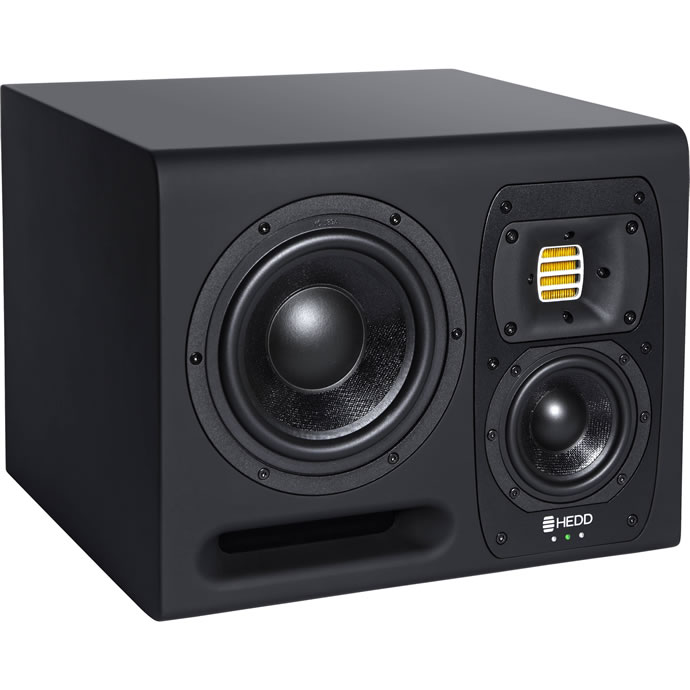
My latest speakers: HEDD Type 20 mid-field studio monitors from Germany - 3x300W tri-amped. Super accurate!
Forward to our live music jamming setup